Product News

Fleet managers are turning to artificial intelligence (AI) not just to streamline operations but to win. From real-time diagnostics to intelligent dispatching and predictive maintenance, AI is driving a new era of agility and precision. The edge is no longer about who has the biggest fleet or the cheapest fuel, it’s about who can adapt the fastest.
What makes AI so powerful is its ability to unify and interpret vast data sources: telematics, ELDs, driver behavior, vehicle health, weather, traffic, and more. This data fusion creates dynamic feedback loops that let fleets move from reactive to proactive operations.
Dynamic Routing & Dispatching AI can analyse traffic patterns, delivery windows, and driver availability in real time to make the best routing and assignment decisions.
Predictive Maintenance AI systems learn from vehicle diagnostics and usage history to forecast when parts will fail or service is due, reducing unplanned downtime.
Driver Behavior Monitoring Using AI-powered cameras and telematics, fleets gain insights into risky behaviors like harsh braking, distraction, or drowsiness.
Fuel Optimization AI-driven insights can reduce idling, recommend optimal driving speeds, and support coaching to drive down fuel use.
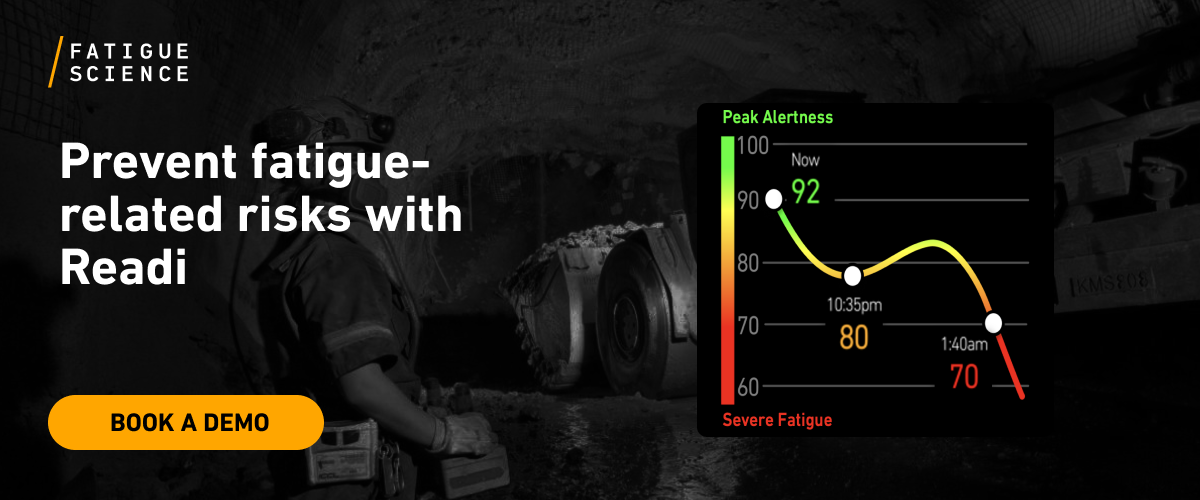
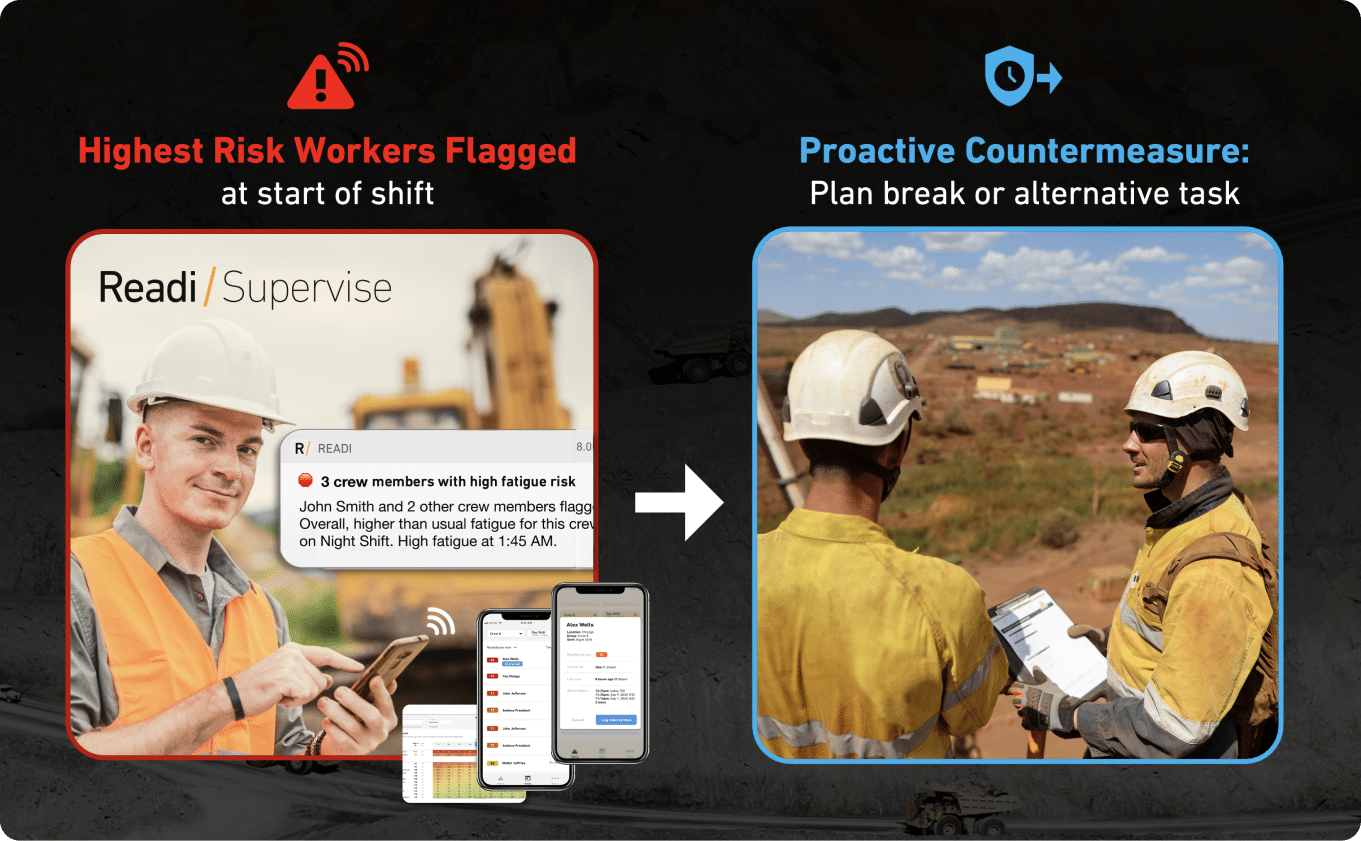
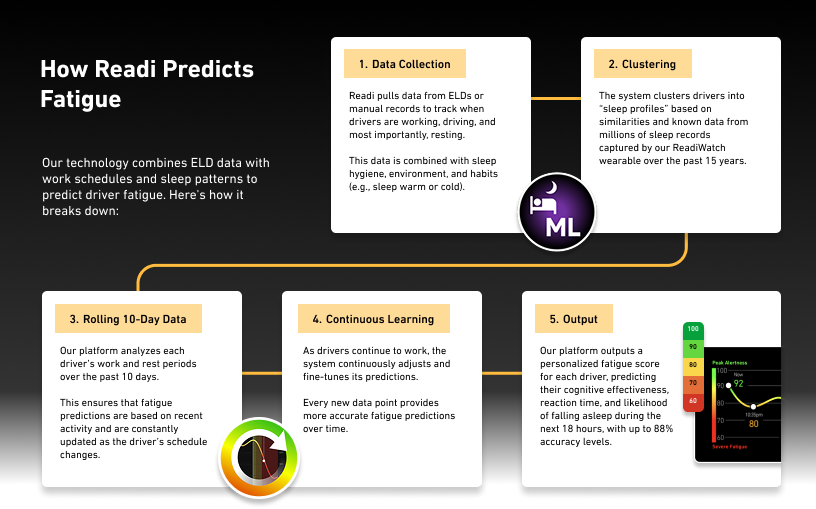
Fatigue Risk Modeling Increasingly, fleets are layering in AI tools that predict driver fatigue (a critical risk factor) into their safety stack. Platforms like Readi from Fatigue Science use machine learning and schedule-based modeling to forecast fatigue hours before a shift begins, allowing fleets to make safer staffing and dispatch decisions.
Faster Decision-Making: AI surfaces the right action at the right time, reducing delays and indecision.
Operational Uptime: Predictive maintenance and smarter dispatching reduce breakdowns and bottlenecks.
Safety: AI-based risk detection tools, including fatigue forecasting, help prevent incidents before they occur.
Customer Service: Real-time ETAs and delivery optimizations improve customer communication and satisfaction.
Scalability: Once deployed, AI systems can support 10 or 10,000 vehicles with equal intelligence.
As AI becomes table stakes in fleet tech, the competitive edge will go to those who adopt early, integrate deeply, and align human workflows with AI insight. Forward-looking fleets are already embedding AI not just at the dispatch desk but into safety strategy, maintenance planning, and driver engagement.
Fatigue risk tools like Readi show how AI isn't just about machines and efficiency but about protecting and empowering the human element. When fatigue risk is forecasted and managed proactively, it reduces incidents, supports better shift planning, and ultimately contributes to bottom-line performance.