
Fleet Management


Driver fatigue monitoring for Canadian trucking fleets involves the use of technologies, strategies, and structured programs that help carriers identify, measure, and reduce fatigue-related risk across their operations. Effective monitoring combines driver fatigue monitoring technology with a fatigue risk management system to move beyond hours of service compliance alone.
Canadian trucking operations face a distinct set of fatigue challenges. Long distances between major distribution hubs, overnight driving schedules, seasonal weather extremes, and tight delivery windows all increase the likelihood that drivers will operate while impaired by fatigue. An estimated 20% of fatal collisions in Canada involve driver fatigue, making it one of the most significant and underaddressed risk factors in commercial transportation.
For Canadian carriers evaluating fleet safety technology, the core question is whether their current tools detect fatigue risk early enough to prevent incidents. Most fleets already use electronic logging devices for hours of service compliance and may have in-cab cameras or telematics platforms in place. These systems capture valuable data, but they tend to identify risk after it appears on the road, through harsh braking events, lane departures, or drowsiness alerts. A preventative fatigue management approach adds a layer of predictive fatigue analytics that can flag elevated risk before a driver begins a shift.
Key factors that make Canadian fleets particularly suited for structured fatigue monitoring include:
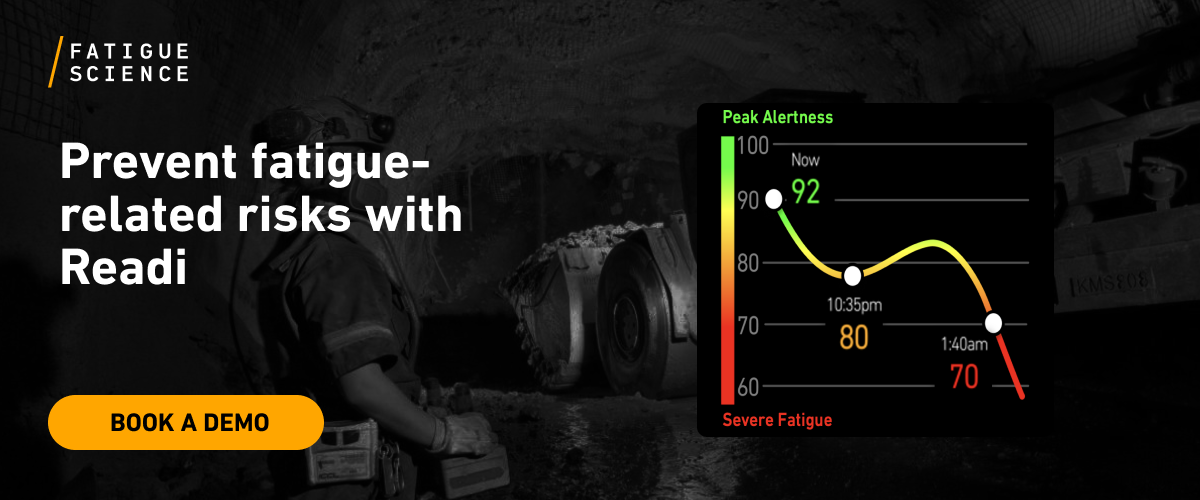
Solutions like Readi address these conditions by forecasting fatigue risk in advance using data from existing ELD systems, requiring no wearables or additional hardware.
The sections that follow cover the specific technologies available, Canadian trucking regulations that apply to fatigue management, implementation steps, associated costs, and how driver performance monitoring programs can reduce fatigue-related incidents in trucking while strengthening overall fleet safety.
A successful rollout begins with a clear operating purpose. Canadian fleets usually set four priorities at the start: lower incident exposure tied to fatigue, stronger day-to-day control within the fatigue risk management system, higher driver acceptance, and better use of existing ELD, telematics, and camera investments.
Safety and operations leaders tend to look for the same core outcomes before they commit time and budget:
Strong programs treat fatigue as a daily operating condition with direct effect on service reliability, coaching volume, fuel waste, and vehicle wear. A legal logbook status does not confirm full alertness; schedule disruption, circadian timing, and limited recovery sleep can still leave a driver below normal performance even within allowable duty limits.
Road-facing tools remain useful, especially for post-event review. Cameras, harsh-braking records, lane-departure flags, and other telematics safety events show where exposure already reached the road. Preventative fatigue management fills an earlier gap through predictive fatigue analytics that use work-rest history, schedule timing, and related data to support action before supervisors face another event review.
For fleets that already use vehicle cameras, fit-for-duty checks, or other fleet safety technology, Readi supports a more practical exception-based model. Readi provides on-demand visibility into fatigue risk and performance, works without wearables or extra hardware, and gives management a forecast 18 hours in advance. That signal helps supervisors adjust resource allocation, task planning, scheduling, and driver support with less manual data review across multiple systems.
The first implementation choice should stay narrow and specific: define the business objective, document how supervisors will respond, and select driver fatigue monitoring technology that fits real dispatch and safety routines across Canadian operations.
Start with exposure mapping. The highest risk usually sits in runs that push drivers into the body’s lowest-alertness hours, very long on-duty spans, pre-dawn dispatch, winter freight surges, isolated highways, and duty patterns that leave little chance for full sleep between trips.
Look at the operation by lane, start time, season, and route type. A fleet that sends trucks across long prairie or northern corridors through the night faces a different fatigue profile than a fleet with short daytime distribution, even when both stay within legal duty-time limits. Delays at shippers, border queues, irregular hotel sleep, and repeated night work can cut sleep opportunity for several days in a row.
Use internal data before you shop for more tools:
A driver can remain compliant on paper and still show low cognitive effectiveness. Chronic short sleep, daytime rest that never turns into real recovery, and circadian disruption from night work all reduce reaction time and judgment. That gap often explains why fleets see losses even when log records look clean.
Treat fatigue as an operating hazard with direct business effects: more crash exposure, more fuel waste after abrupt driving events, more brake and tire wear, more supervisor time spent on exceptions, and less dependable service. In transportation settings where goods move overnight in all weather, even one fatigue-linked crash can mean cargo loss, vehicle damage, injury, and missed customer commitments.
A sound rollout starts with an operating map (not a software screen). Document each province, terminal, lane, border crossing, dispatch window, team route, and slip-seat pattern that shapes sleep opportunity, handoff quality, and supervisor control.
Map the parts of the network that change fatigue exposure from one movement to the next. A linehaul lane from Calgary to Winnipeg does not carry the same risk as a short-haul urban route, and a winter run through Northern Ontario does not place the same demands on a driver as a daytime regional loop in Southern Ontario.
This map should sit beside your driver fatigue monitoring technology, telematics data, and dispatch plan. Without that route-level view, telemetry for driver fatigue can look isolated when the real issue sits in the way loads, appointments, and rest windows interact across the network.
Federal hours rules for commercial vehicle drivers in Canada set the baseline for duty limits, rest periods, and recordkeeping. Your internal program should connect those rules to daily supervisor practice: duty status review, ELD exception handling, rest expectations between trips, and a clean record of what happened when fatigue risk rose.
A practical policy framework should answer four points with no ambiguity. What data the supervisor checks; what threshold requires action; what options the supervisor can use; and how the decision enters the file. That structure supports fair treatment across terminals and gives safety leaders a repeatable process instead of one-off judgment calls.
Legal compliance does not show whether a driver starts a run alert enough for the work ahead. Preventative fatigue management needs a second layer that accounts for recent sleep history, schedule disruption, repeated night work, and the actual conditions of the trip so the fleet can address fatigue-related incidents in trucking before they reach the road.
Once the fleet has a clear view of exposure points and policy limits, the next step is model selection. Driver fatigue monitoring for Canadian trucking fleets works best when the method matches route structure, supervisor capacity, and the level of action the operation can take before a truck reaches a high-risk window.
| Monitoring model | Primary input | Best use in fleet operations | Main limitation |
|---|---|---|---|
| In-cab alerting | Eye closure, gaze direction, head position, lane position | Real-time warning during active driving | Fatigue signs must already appear before the system reacts |
| Event-based camera review | Video clips tied to harsh braking, speeding, lane drift, or other safety events | Coaching, validation, and post-event review | Most value comes after the unsafe moment has already occurred |
| Schedule-based risk scoring | Start times, duty windows, route length, rest intervals | Dispatch planning, route design, and shift review | Output depends on clean schedule data and disciplined use |
| Predictive fatigue analytics | Work-rest history, circadian timing, sleep opportunity, route timing | Pre-trip risk review and supervisor exception handling | Success depends on clear thresholds and consistent response rules |
Each model answers a different operational question. In-cab tools ask whether the driver shows signs of low alertness right now; predictive fatigue analytics ask whether the trip, duty pattern, and recovery profile point to elevated risk before the route develops into a problem.
Research on driver fatigue detection also covers signals such as heart rate variability and electrodermal activity. Those methods have value in technical studies, but a commercial fleet still needs a tool that can hold up across winter conditions, long corridors, changing dispatch plans, and mixed driver populations without adding daily friction.
Readi fits fleets that need on-demand visibility into fatigue risk and performance for supervisors and operations teams. It supports decisions on resource allocation, task planning, worker training, and scheduling, which makes it useful for carriers that want driver performance monitoring to serve daily operations rather than sit apart from the rest of the fatigue risk management system.
Fleet programs work best when fatigue data joins the systems that already support dispatch, compliance, and safety review. A separate dashboard that sits outside daily operations usually slows response time and weakens supervisor follow-through.
Most Canadian carriers already rely on connected systems to track duty status, vehicle movement, route execution, and safety exceptions. The right driver fatigue monitoring technology should add context to those decisions, so a terminal manager or dispatcher can see elevated fatigue risk beside route plans, rest records, and recent event history without extra manual steps.
| Evaluation area | Strong fit for fleet operations | Weak fit for fleet operations |
|---|---|---|
| Duty record alignment | Risk view matches log data and rest periods | Staff must reconcile records by hand |
| Safety event context | Fatigue signals appear with braking, speeding, and lane control events | Teams review fatigue and vehicle events in separate tools |
| Dispatch usability | Risk supports quick decisions on loads, swaps, and check-ins | Supervisors need a second workflow |
| Multi-terminal use | Method works across provinces, terminals, and route types | Process changes by site and becomes hard to manage |
| Exception handling | Team focuses on a smaller set of higher-risk cases | Staff spends time sorting low-value alerts |
A useful fatigue view should do more than flag a tired driver. It should help the fleet connect telemetry for driver fatigue with route start time, recent off-duty periods, weather exposure, border crossings, and late-shift safety performance, because those factors shape whether a score leads to a simple check-in or a route change.
Some fleets test wearables, in-cab sensors, or other monitoring devices as part of a broader fatigue risk management system. The more practical question is whether the method can support daily decisions across hundreds of drivers, mixed schedules, and multiple terminals without creating charging issues, replacement costs, policy disputes, or gaps in daily use.
Readi supports that operating model with on-demand visibility into workforce fatigue risk and performance for supervisors and operations teams. It also informs decisions on resource allocation, task planning, worker training, and scheduling, which gives fleets a way to connect predictive fatigue analytics with day-to-day driver performance monitoring instead of treating fatigue as a standalone data stream.
Canadian fleets usually sort fatigue tools into three groups: body-worn devices, cab-based detection systems, and schedule-led software. The better choice comes from route pattern, dispatch pace, slip-seat use, and how much daily effort the fleet can expect from drivers and supervisors.
Wearables can add person-level sleep data, but they also add routine tasks that can break a program at scale. A carrier has to manage charging, loss, damage, replacement stock, privacy concerns, and gaps when a driver forgets or declines to use the device. In a small trial, that burden may stay manageable. Across a long-haul fleet with turnover, night work, and terminal handoffs, the burden often grows faster than expected.
| Option | Main strength | Main limitation | Best fit |
|---|---|---|---|
| Wearables | Individual sleep and recovery data | Device upkeep, driver participation, privacy concerns | Small groups with close program oversight |
| In-cab sensors | Real-time signs of drowsiness in the vehicle | Limited value before the trip begins | Fleets focused on live in-vehicle alerts |
| Non-wearable software | Broad use across drivers and terminals with less daily effort | Depends on clean scheduling and duty data | Large fleets that need stable use across mixed operations |
Wearables in trucking have a place, especially when a fleet wants close study of a narrow driver group or a specific route type. Most Canadian carriers, though, need a method that holds up across overnight corridors, winter conditions, team operations, and changing dispatch plans. A tool that depends on perfect daily compliance can struggle in that environment.
A practical selection test should stay simple:
Readi fits fleets that want a lower-friction model. It gives operations teams and supervisors on-demand visibility into fatigue risk and performance, and it supports decisions about resource allocation, task planning, worker training, and scheduling. That type of setup often suits carriers that already invest in cameras, fit-for-duty processes, ELDs, and related fleet safety technology, because the goal is steady use across the whole operation rather than short-term interest in a pilot tool.
A scoring method needs a clear response path at each level. In Canadian fleet operations, supervisors need a short set of rules they can use during dispatch, load planning, and exception review without adding another screen full of alerts.
Define each level by the operational exposure it creates during the planned duty period. A low score should allow normal dispatch; a medium score should prompt added oversight; a high score should require a change before the trip moves into the highest-risk part of the route.
| Risk level | Operational meaning | Supervisor action |
|---|---|---|---|
| Low | No material fatigue concern across the planned route and duty window | Dispatch as planned; note score in the normal record |
| Medium | Alertness may drop during night driving, a long work period, or a reduced rest cycle | Add scheduled check-ins; adjust stop timing; avoid last-minute duty extension |
| High | Elevated risk linked to sleep loss, body-clock disruption, or repeated schedule change | Reassign the load; delay departure; limit complex or high-exposure tasks; record the decision |
A useful workflow supports exception management. Readi gives operations teams on-demand visibility into workforce fatigue risk and can support decisions on resource allocation, task planning, worker training, and scheduling, which helps supervisors act 18 hours in advance instead of waiting for a roadside signal.
Each response step should tie the score to a decision the fleet already controls. That keeps preventative fatigue management practical for dispatch and safety teams.
Records should show a consistent chain of judgment. A fleet that logs the trigger, the response, and the outcome can compare terminals, review route patterns across seasons, and tighten thresholds where preventable events cluster around overnight runs, remote corridors, or repeated short-recovery schedules.
Training should start with a simple point: alertness changes across the day, and sleep loss compounds over several days. Dispatchers, supervisors, and drivers need a shared understanding of how short sleep, irregular start times, back-to-back schedule changes, and limited recovery time can lower reaction speed, judgment, and attention even before obvious drowsiness appears.
That foundation helps teams interpret driver fatigue monitoring technology correctly. A score, alert, or risk flag should connect to a practical concept such as reduced vigilance, slower hazard response, or higher error risk during a specific duty period.
Supervisors need a defined response standard, not a vague instruction to “watch for fatigue.” Training should show how to review a fatigue signal, what operational factors to check next, which control options are available, and when the case requires escalation.
Programs earn more driver trust when supervisors use the system as a safety support tool. A coaching-based approach reduces privacy concerns, lowers resistance, and helps drivers see the process as part of a broader fatigue risk management system rather than a disciplinary shortcut.
Drivers should never need to guess what the fleet monitors. Training should spell out whether the program uses duty records, schedule patterns, sleep-related inputs, telematics safety events, in-cab indicators, or a combination of those sources.
That step is important because Canadian fleets often blend several data streams into one workflow. The strongest programs help teams synthesize information from multiple systems so they can make better decisions on resource allocation, task planning, worker training, and scheduling instead of forcing staff to sort through separate dashboards.
Dispatchers need to know how a fatigue score affects load planning and exception handling. Supervisors need to know when a signal requires contact with the driver, when it requires a documented change, and when it only needs monitoring.
Drivers need practical explanations, not technical jargon. Training should cover:
Training should close with a clear operational message: the system exists to reduce preventable exposure before a fatigue-related event disrupts the route, damages equipment, or puts the public at risk. That message fits Canadian trucking fleets well because fatigue often shows up in linehaul, cross-province operations, and weather-exposed freight where one poor decision can carry a high cost.
Readi supports that approach with on-demand visibility for supervisors and operations teams, which helps them act on fatigue risk and performance data inside daily fleet routines. When people understand the purpose, the data, and the response process, driver fatigue monitoring becomes a working part of driver performance monitoring instead of an unused safety layer.
Choose a segment where sleep disruption, dispatch volatility, and public-road exposure create measurable strain. Strong pilot candidates include night linehaul between major hubs, northern freight corridors tied to resource activity, border freight with long wait times, and slip-seat operations with uneven handoff timing.
A small first deployment gives the fleet a controlled test environment. One terminal, one business unit, or one route cluster makes it easier to compare pre-pilot and pilot results across telematics safety events, supervisor response, and schedule exceptions.
The pilot should show whether the chosen driver fatigue monitoring technology fits dispatch and safety work without extra manual effort. It should also show whether risk scores line up with actual route strain, duty patterns, and known hotspots.
Readi can support this stage by giving supervisors on-demand visibility into fatigue risk and performance, along with input for resource allocation, task planning, worker training, and scheduling. That visibility helps a pilot answer a practical question: can the fleet act sooner with the tools and staff it already has?
Alert volume alone gives a weak readout. A stronger pilot result shows up when dispatch teams spot high-risk trips sooner, safety staff spend less time chasing video after the fact, and route managers see fewer preventable issues tied to low alertness.
Track early indicators with the same discipline used for other fleet safety technology. Telematics event rates, coaching counts, supervisor turnaround time, driver feedback, and lane-by-lane risk patterns provide a clearer picture of whether the pilot strengthens preventative fatigue management inside normal operations.
Before a wider rollout, put every cost into the same operating view that dispatch, safety, and terminal leaders use each week. Subscription fees make up only one part of the budget; connector work across duty records, route data, and safety-event feeds often shapes the real effort level.
A cost review should also separate one-time setup from steady-state use. Fleets that skip this step often approve a tool with a reasonable software price, then absorb avoidable labor cost because managers must chase data across several screens and spreadsheets.
The return case should connect to losses that already show up in finance, claims, and service reports. Use before-and-after comparisons on matched lanes, driver groups, or terminals; that method gives a cleaner read than fleetwide averages during seasonal swings.
| KPI | What to compare |
|---|---|
| Safety-event frequency | Change in harsh braking, speeding, lane drift, and other event trends on the same work mix |
| Claims exposure | Preventable crash cost, cargo loss, and repair expense over the same review period |
| Fuel loss | Waste tied to aggressive corrections and unstable driving patterns on overnight or long-haul routes |
| Service reliability | Late loads, disrupted handoffs, and unplanned schedule changes after elevated-risk decisions |
| Admin effort | Supervisor hours spent on review, follow-up, and recordkeeping |
Good monitoring programs do not create value from more alerts. The value comes from stronger choices made earlier, with less guesswork. Teams that can pull together route timing, rest opportunity, duty history, and vehicle-event data in one place avoid false starts, reduce low-value coaching, and make tighter dispatch decisions.
Current safety investments also perform better when supervisors can see fatigue exposure in the same operating picture. Readi supports that approach with on-demand visibility into workforce risk and performance, along with input for resource allocation, task planning, worker training, and scheduling.
Once the trial phase shows stable results, the next step is to place fatigue review inside normal fleet routines. Dispatch checks, terminal scorecards, safety meetings, supervisor follow-up, and coaching files should all include the same review points so the process stays active across shifts and locations.
A national carrier also needs one core rule set with local adjustments. Prairie winter lanes, northern resource routes, cross-border delays, and peak retail surges change sleep opportunity and duty timing, so threshold levels and response rules should reflect actual route conditions rather than stay fixed all year.
Scale depends on one shared view of fatigue risk across operations and safety. Forecast-based scores should sit beside video-triggered events, telematics exceptions, incident review notes, and duty-status records so leaders can compare early signs with actual outcomes and refine the program with evidence instead of guesswork.
The strongest systems support better use of existing staff time. Teams that once sorted through spreadsheets and disconnected platforms can review one clearer picture, which helps with load assignment, rest opportunity, route planning, and supervisor follow-up across several terminals.
At full scale, fatigue control becomes part of operating discipline. Each case should show the signal reviewed, the route context, the action taken, and the result so the carrier can apply fair oversight across provinces, update policy with real field evidence, and strengthen the program through each freight cycle.
The strongest option depends on route structure, supervisor workflow, and how early the fleet needs to see risk. For overnight linehaul, cross-border runs, and remote corridors, schedule-linked predictive fatigue analytics often give more operational value than a stand-alone device because dispatch can use the risk signal before a truck enters the hardest part of the run.
| Technology type | Best fit in fleet use | Common drawback |
|---|---|---|
| Predictive fatigue analytics | Large linehaul fleets, mixed schedules, dispatch-led operations | Needs clean data flow from ELD and fleet systems |
| In-cab camera or sensor alerts | Immediate warning inside the cab | Can create false positives and short notice for supervisors |
| Wearables and biometric tools | Controlled pilots, research-heavy programs, small target groups | Driver compliance, charging, replacement, and privacy concerns |
| Telematics trend review | Safety trend analysis and coaching support | Limited value for same-day fatigue decisions |
Fleets that already use ELDs, telematics, and cameras usually benefit most from a driver fatigue monitoring technology layer that combines those data sources into one risk view. Readi fits that model because it gives supervisors on-demand visibility into fatigue risk and supports decisions on scheduling, task planning, worker training, and resource allocation.
The cleanest rollout starts with exception management. Dispatch and safety teams should see a short list of elevated-risk cases, not a daily review queue for every driver in the fleet.
A practical setup keeps fatigue data inside tools supervisors already use for loads, duty records, and telematics safety events. Better systems help teams synthesize information from multiple sources instead of forcing staff to compare spreadsheets, logs, route plans, and event reports by hand.
Canadian fleets still need to meet federal and provincial operating rules, including the Commercial Vehicle Drivers Hours of Service Regulations and ELD requirements where they apply. Beyond that baseline, a fleet needs internal controls that address actual fitness for duty across terminals, routes, dispatch periods, and seasonal conditions.
A workable policy framework usually includes:
Cost varies by complexity more than by truck count. Small fleets often feel the weight of setup time and policy design; mid-size fleets tend to focus on ELD integration and supervisor training; large fleets usually face broader rollout work across terminals, route types, and customer service models.
Most fleets evaluate five cost areas:
Return usually shows up through fewer preventable losses, lower claims exposure, less equipment damage, less fuel waste tied to harsh events, and less cleanup work after a safety issue hits the queue. The larger gain often comes from better forecasts and better decisions across daily operations.
Fatigue affects reaction time, speed control, lane tracking, hazard recognition, and brake timing. In Canadian trucking, those effects often combine with darkness, weather, long corridors between major centres, and changing delivery windows, which can increase exposure during the highest-risk parts of a trip.
The operational impact extends well beyond crash risk. Driver performance monitoring may show more harsh corrections late in the shift, higher coaching volume on overnight schedules, more absences after compressed rotations, and extra wear from rough vehicle handling. A fleet that treats those signals as part of preventative fatigue management can adjust schedules, route plans, staffing, and supervision before fatigue-related incidents in trucking begin to shape service reliability.
Canadian carriers that already invest in cameras, telematics, and ELD systems have strong infrastructure in place. The gap most fleets still face is timing: those tools capture risk after it reaches the road, while fatigue builds hours before a driver shows visible signs of impairment. Closing that gap requires a method that gives dispatchers and supervisors a usable signal earlier in the process. Readi forecasts fatigue risk up to 18 hours in advance, requires no wearables or hardware, and has been proven to reduce fatigue-linked in-cab telematics events by 42% in large-scale logistics operations. For fleets ready to act on risk before it becomes an incident, that earlier view changes what a safety program can deliver.
Book a demo to explore how predictive fatigue management software can improve safety and productivity across your fleet.