Product News

The trucking industry is entering a new phase of digital maturity. What began as basic telematics and compliance automation is now evolving into full-scale AI decision support across every part of fleet operations. By 2026, fleets will rely on predictive analytics, automated planning tools, and intelligent safety systems to control costs, strengthen uptime, and stabilize risk exposure. This guide explores the most important AI trends for fleets in 2026 and how forward-thinking operators can position themselves to benefit from them. Readi aligns with this shift by bringing AI-driven fatigue prediction into the operational workflow.
For years, fleets used data to explain what happened yesterday. In 2026, they finally use AI to predict tomorrow.
Across the industry, predictive models are becoming embedded in:
Maintenance planning
Safety interventions
Driver performance forecasting
Fuel optimization
Route timing under variable weather or congestion
Parts supply planning
There will be a shift from reactive to predictive. Instead of reacting to issues as they arise, AI will help fleets anticipate failure modes before they occur.
Predictive maintenance isn’t a new idea, but 2026 is the first year where fleets can expect normalized, reliable failure forecasts thanks to richer sensor data and better-trained AI systems.
And the same shift is happening in driver risk modeling, operational planning, and insurance-facing analysis.
2026 will be the year that AI copilots stop being “nice to have” and start becoming core parts of fleet workflows.
Dispatchers, safety managers, and maintenance teams will routinely use AI assistants to:
Summarize driver performance patterns
Generate shift plans
Draft coaching messages
Reconcile logs
Flag contract violations or underutilization
Analyze equipment health across multiple data feeds
In large fleets, AI copilots will save hundreds of hours a month by offloading repetitive cognitive labor.
Even midsize fleets will see software that helps supervisors make deeper decisions with less effort.
The biggest shift: AI in fleet won’t replace people. It will reduce mental overload so decision-makers can focus on judgment, not data wrangling.
As AI becomes more influential, regulators will demand more clarity on:
How recommendations are generated
Which data sources influence decisions
Whether fatigue, safety, or behavioral risk scores are explainable
Fleets will start asking their technology partners for audit trails, not just dashboards.
The year 2026 will introduce the first wave of “AI compliance reviews” inside safety departments. Technologies that cannot explain how they derived a result will be harder to defend during insurance disputes or litigation.
Vendors who offer clear, documented, scientifically validated models will stand out.
Cameras were the major trend of the late 2010s and early 2020s.
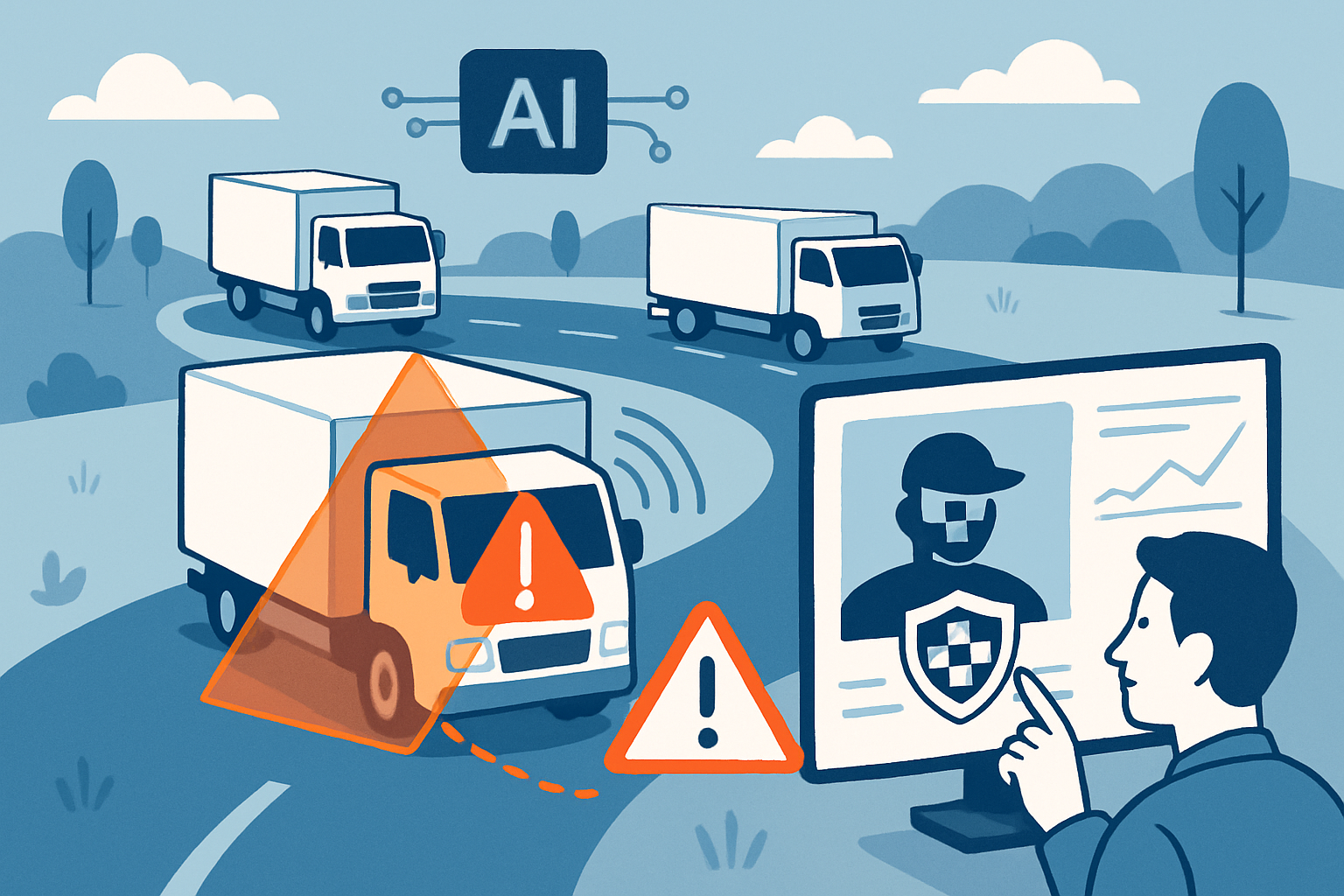
In 2026, AI will push safety tech further upstream, shifting from reactive alarm systems to predictive risk detection.
We will see:
Systems that identify when a driver will likely become distracted later in a shift
AI that forecasts microsleep likelihood under certain workloads
Tools that recommend break timing
Early detection of cognitive impairment indicators
Safety platforms that integrate fatigue, schedule design, and historical behavior
Fleets increasingly want early warnings, not last-second alerts.
2026 is the year that upstream safety intelligence begins replacing reactive-only systems as the primary safety investment.
Insurers are already probing how fleets use AI. By 2026, this will become formalized.
Underwriters will ask:
Do you have predictive tools for safety and maintenance?
Can you show intervention logs?
Are you addressing fatigue and cognitive risk proactively?
Do your supervisors use data before dispatch?
Fleets able to demonstrate preventative AI programs will negotiate stronger terms, avoid punitive deductibles, and protect themselves from nuclear verdict exposure.
AI doesn’t just improve safety. It improves insurability.
Historically, fleets measured the truck, not the person.
2026 marks the shift to human-centric AI:
Cognitive workload
Sleep opportunity
Circadian alignment
Personality-driven coaching patterns
Reaction time profile changes over long weeks
With better modeling, fleets will understand not only how equipment behaves under stress, but how drivers behave under physiological load.
This convergence will radically change how fleets schedule, dispatch, coach, and design shift structures.
It will also drive major improvements in retention, because fleets can match driver needs with operational realities instead of forcing one-size-fits-all planning.
Dispatching in 2026 becomes less about juggling calendars and more about strategic orchestration.
AI will help by:
Matching drivers to loads based on alertness patterns
Predicting when certain routes will be more mentally demanding
Identifying which drivers are likely to struggle with nighttime operations
Suggesting optimized break timing
Highlighting risk windows along a trip
The data already exists; AI is simply making it actionable.
As AI reshapes fleet safety, operations, and insurance, fatigue remains one of the most impactful and least visible risks.
Readi supports this emerging landscape by providing:
Predictive fatigue scores for every driver
Hour-by-hour visibility into upcoming risk windows
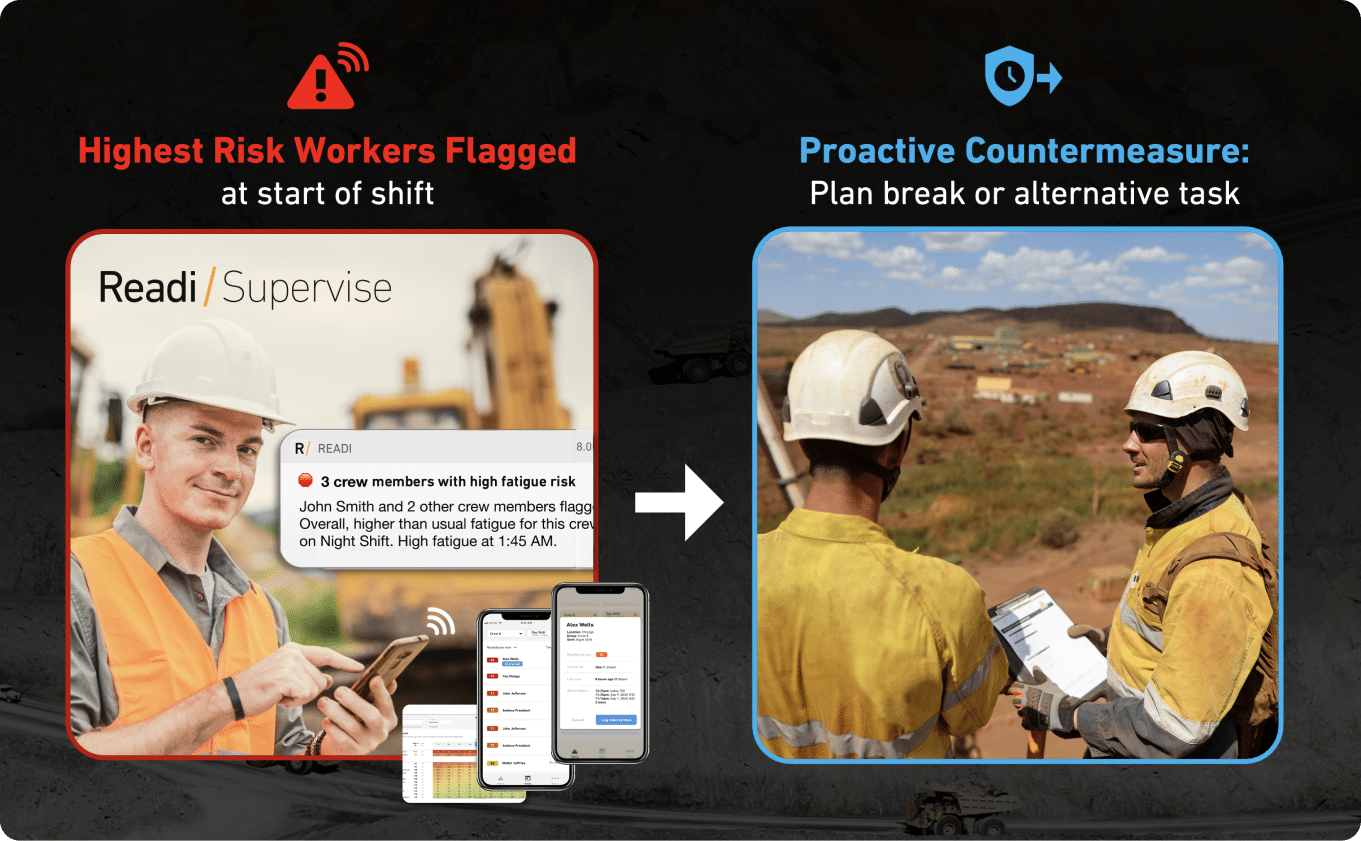
Tools for dispatchers and supervisors to take early action
Documented intervention logs for insurance and compliance
A privacy-forward model that works without wearables
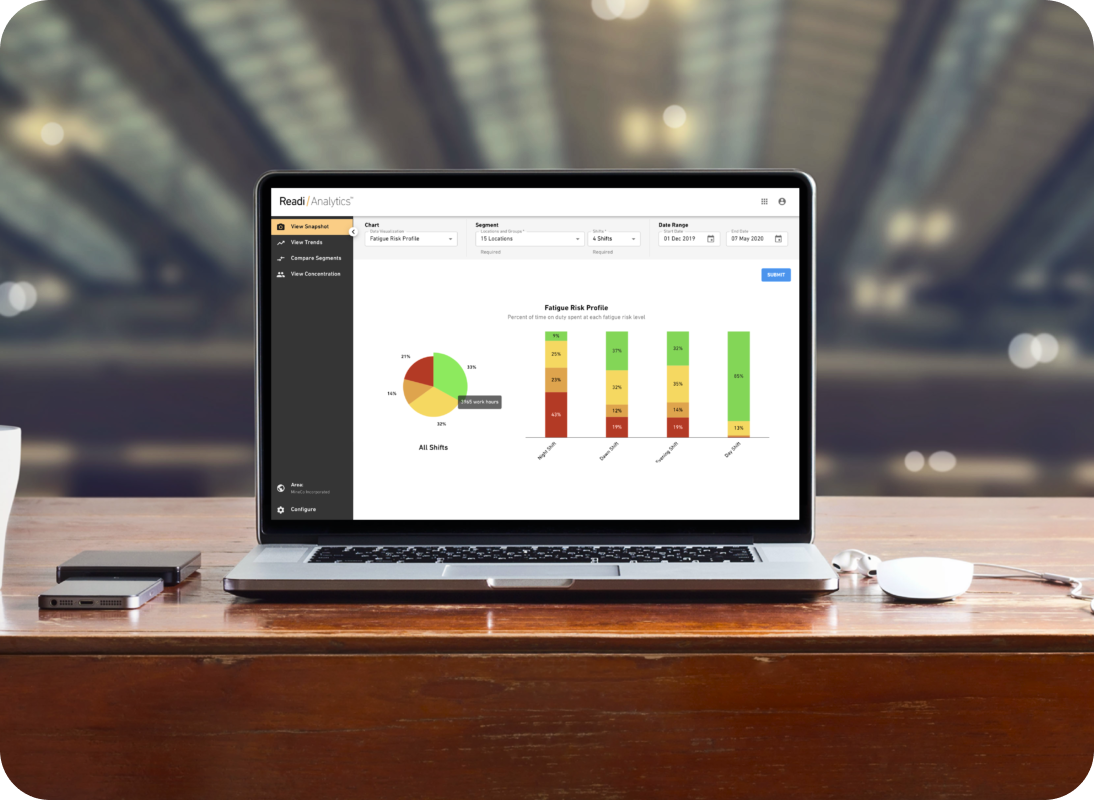
Readi aligns with the 2026 trend toward AI that predicts, not reacts, giving fleets a practical way to manage one of the biggest contributors to severe crashes and insurance loss.
Predictive intelligence. Fleets are shifting from reactive tools to technologies that forecast safety, maintenance, and operational risk before issues occur.
AI copilots will automate repetitive work, summarize data, analyze patterns, and support decision-making across dispatch, maintenance, safety, and compliance teams.
No. AI will handle cognitive load and pattern detection, while humans will continue to make judgment calls, coach drivers, and manage exceptions.
Fatigue is one of the strongest predictors of severe crashes. Predictive fatigue modeling gives fleets early visibility and the ability to intervene before a high-risk event develops.
Insurers will increasingly reward fleets that use predictive AI systems like Readi to document risk mitigation, reduce incident severity, and demonstrate proactive safety programs.