
No Wearables and Hardware
High driver acceptance with software-only deployment. Nothing new required in the cab.
High driver acceptance with software-only deployment. Nothing new required in the cab.
Readi integrates into your daily routine, like pre-trip inspections and dispatch planning.
See each driver's individual hour-by-hour risk profile and use automated actions prior to shit to prevent fatigue events.
In a large-scale U.S. logistics pilot, the "Readi-enabled" group reduced telematics events by 42% compared to similar a group not using Readi. Reducing these events drives critical business outcomes:
For a 500-vehicle fleet, reducing telematics events by 42% with Readi could translate to approximately $300,000 in annual fuel cost savings.
Readi filters risk upstream, meaning fewer camera triggers to review. You only spend time coaching the 5% of drivers who actually need it.
By identifying high-risk drivers before they hit the road, Readi allows you to intervene early, directly reducing fatigue related events.
Predict driver fatigue risk before routes begin with predictive fatigue analytics designed for fleet operations.
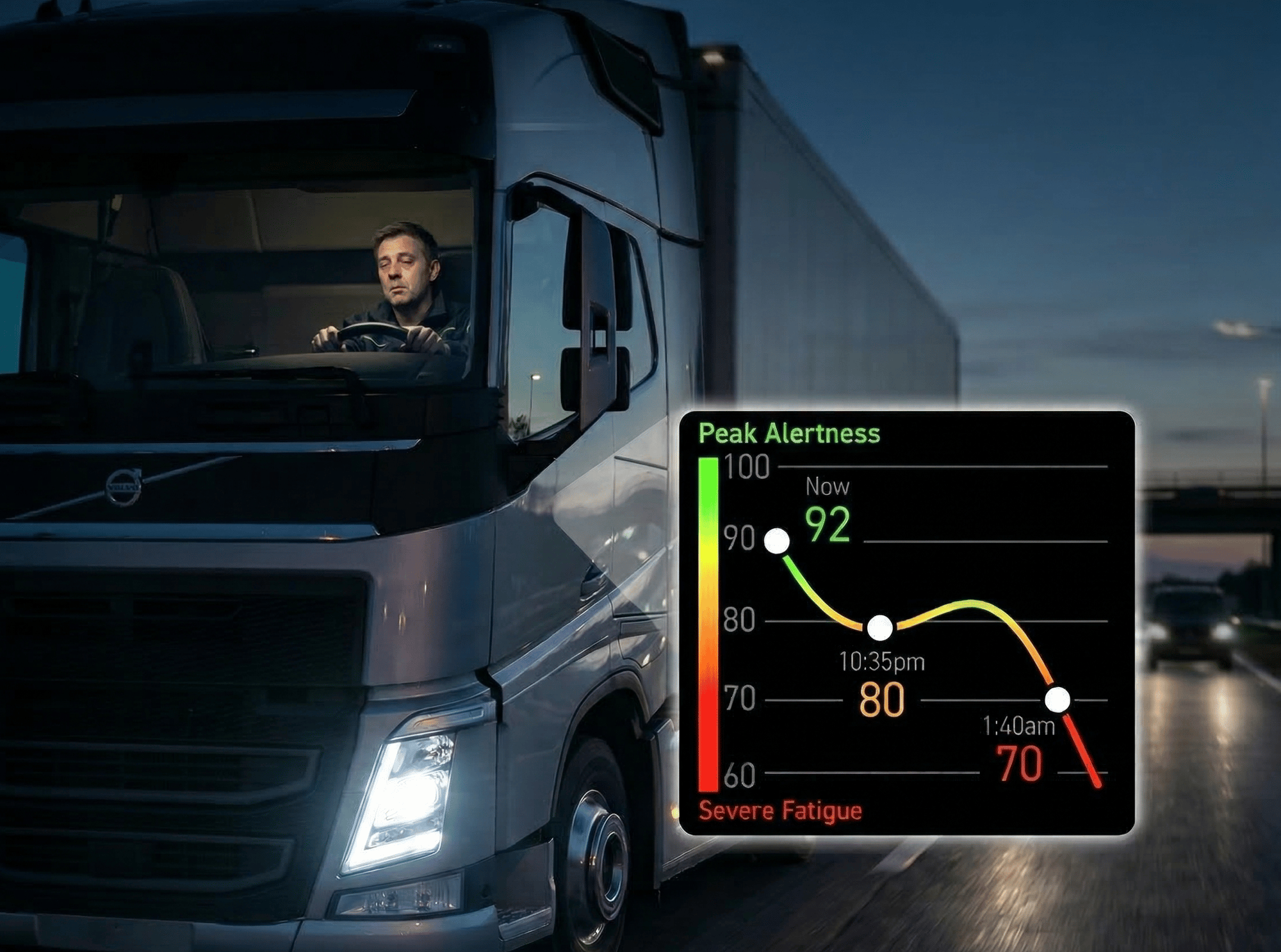
18-hour forecast: See each driver's individual hour-by-hour risk profile before they hit the road.
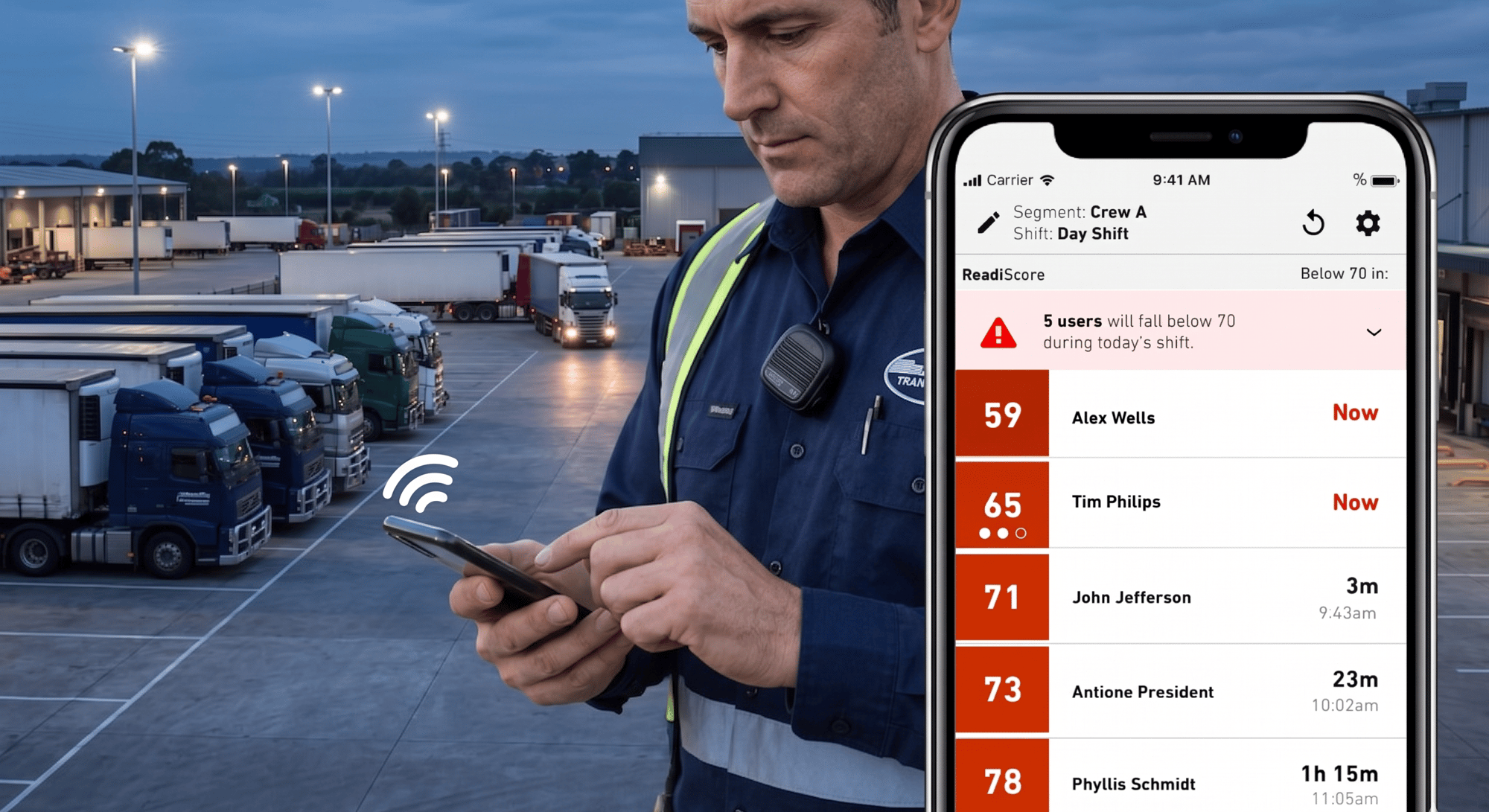
Push fatigue alerts to supervisors and drivers before shifts. Enable proactive check-ins.
Log countermeasures and rest breaks with one tap. Track supervisor decisions and intervention outcomes.
Personalized ReadiScore for every driver, updated hourly. Science-based predictions built on validated biomathematical models.
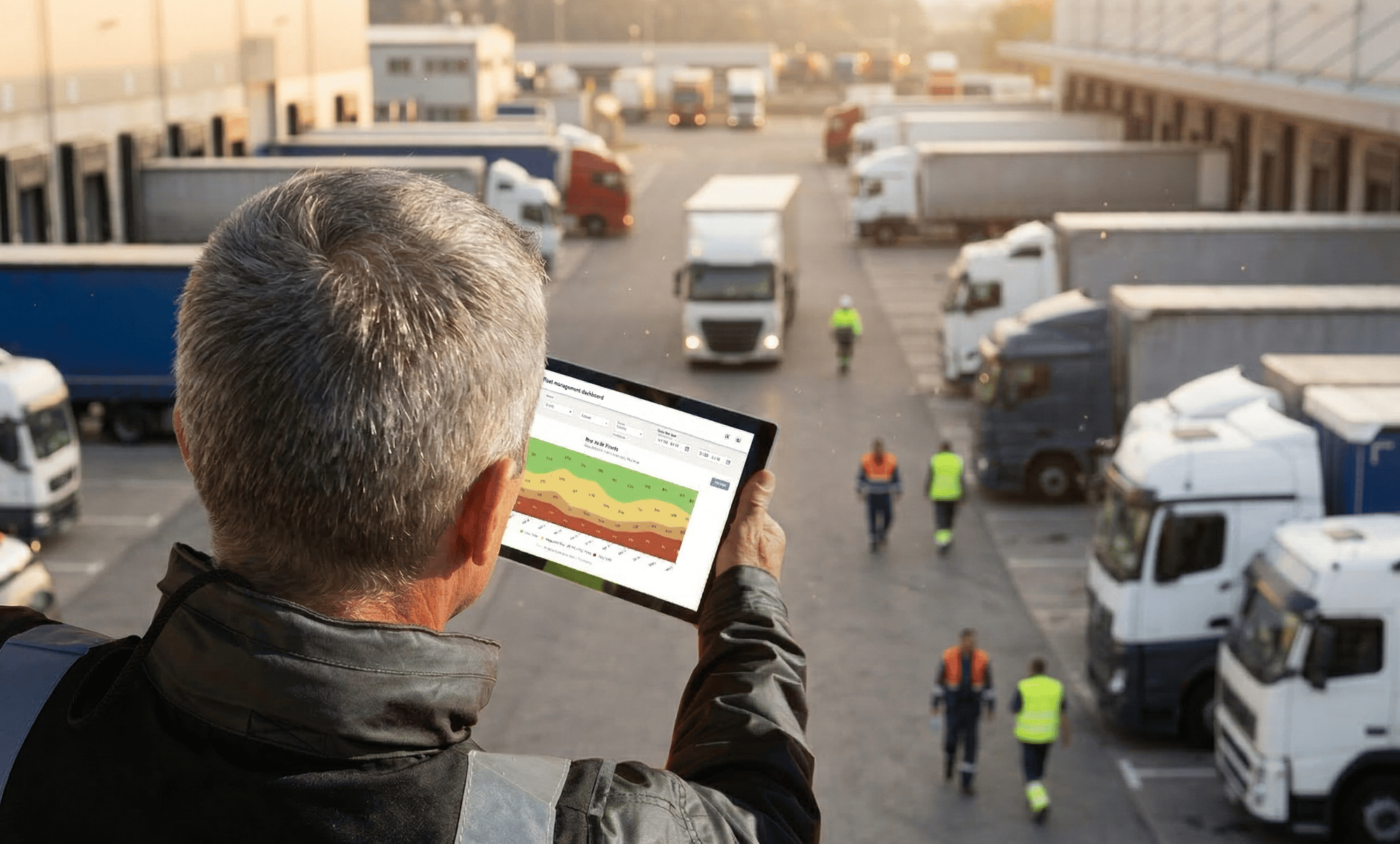
Track fatigue trends, safety events, and driver performance. Generate compliance reports and operational insights.
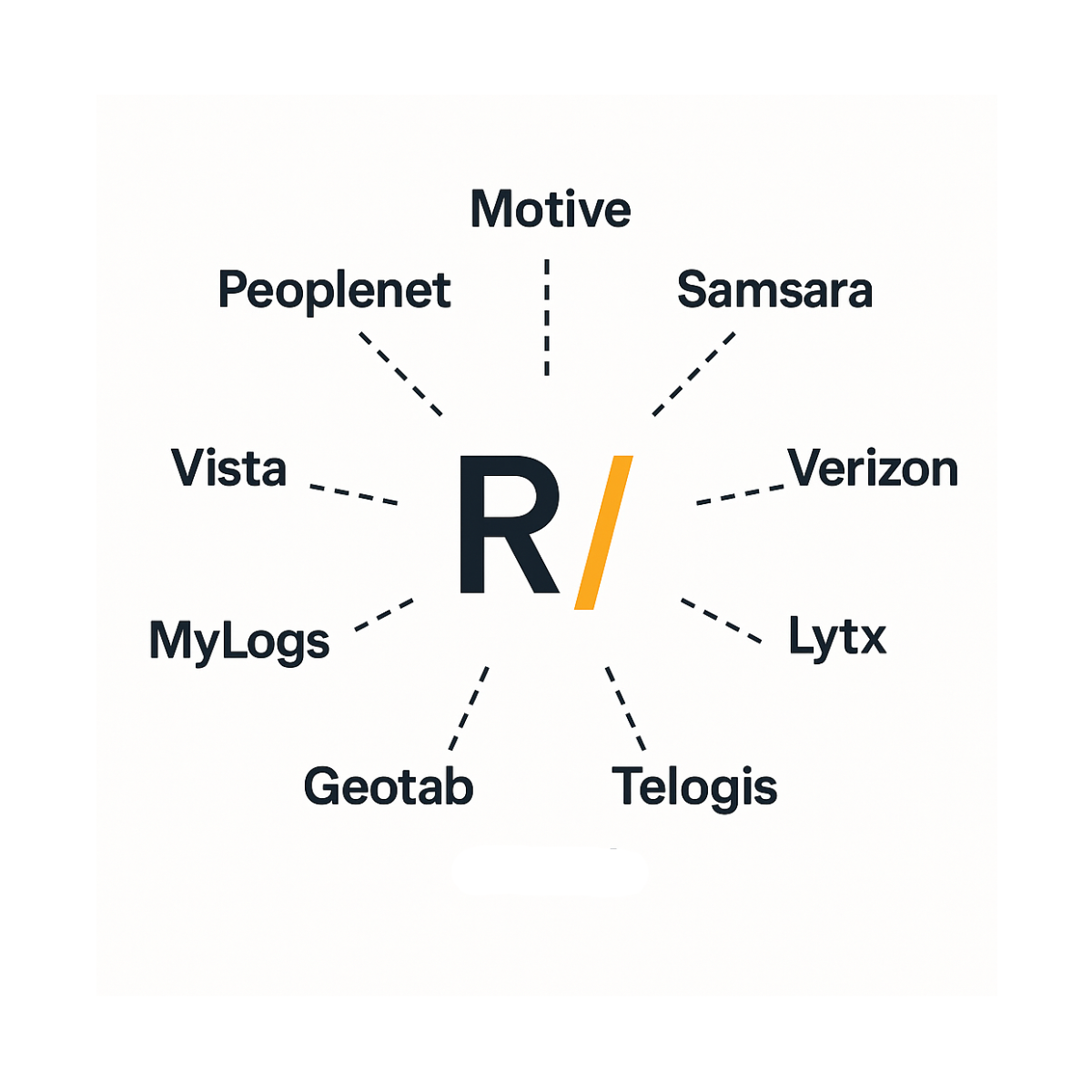
Connect with telematics, ELDs, fleet management systems, and third-party tools. Unified fatigue and safety data.
Forecast fatigue risk 14 days ahead for safer scheduling and shift planning.
Manage fatigue risk across private fleets and distribution operations. Visibility for all driver-based teams.
Fatigue risk management for manufacturing fleets means identifying and reducing driver fatigue risk before it affects road safety, delivery performance, or operations. It helps manufacturers manage fatigue among drivers who support private fleets, deliveries, service routes, and logistics operations.
Many manufacturers rely on drivers to move products, materials, equipment, or service teams. Long shifts, early starts, overnight routes, overtime, and tight delivery windows can increase fatigue risk. When drivers are fatigued, the risk of unsafe driving behavior, road incidents, and delivery disruption can increase.
With Readi's 18-hour forecast, dispatchers and supervisors can see each driver's individual hour-by-hour fatigue risk profile before they hit the road. This helps supervisors identify high-risk drivers, routes, or shifts before trips begin.
No. Readi can help manage fatigue risk without requiring drivers to wear a device, install new hardware, or rely on another camera system.
No. Readi is also relevant for manufacturers that operate private fleets, delivery vehicles, service vehicles, distribution teams, yard trucks, or other driver-based operations.
Readi integrates with existing EHS software, telematics, ELD systems, fleet management tools, and incident reporting platforms. It adds fatigue risk visibility without replacing current systems, helping teams identify high-risk drivers earlier and make informed decisions before routes begin.