
Product News


Learning how to monitor driver behavior in fleets starts with combining the right fleet safety technology, clear driver performance metrics, and structured driver coaching programs. Fleet managers use driver behavior monitoring tools like telematics for fleets, dash cam integration, and real-time driver tracking to identify unsafe patterns, reduce accidents, and strengthen overall fleet management solutions.
Most fleet safety programs today collect large volumes of data. Telematics devices record speeding, harsh braking, rapid acceleration, and cornering events. Dash cams capture distracted driving and near-miss footage. ELD systems log hours-of-service compliance. Each of these tools plays a role in risk management in fleets, but the challenge is turning that data into timely, preventative safety measures rather than a growing backlog of alerts to review after the fact.
Understanding how to monitor driver behavior in fleets means going beyond event recording. The strongest programs track patterns across drivers, routes, and time of day to spot risk before an incident occurs. For example, a spike in harsh braking events during overnight hours may signal fatigue-related impairment across a segment of the fleet rather than individual poor driving habits.
Key behaviors that high-performing fleets typically monitor include:
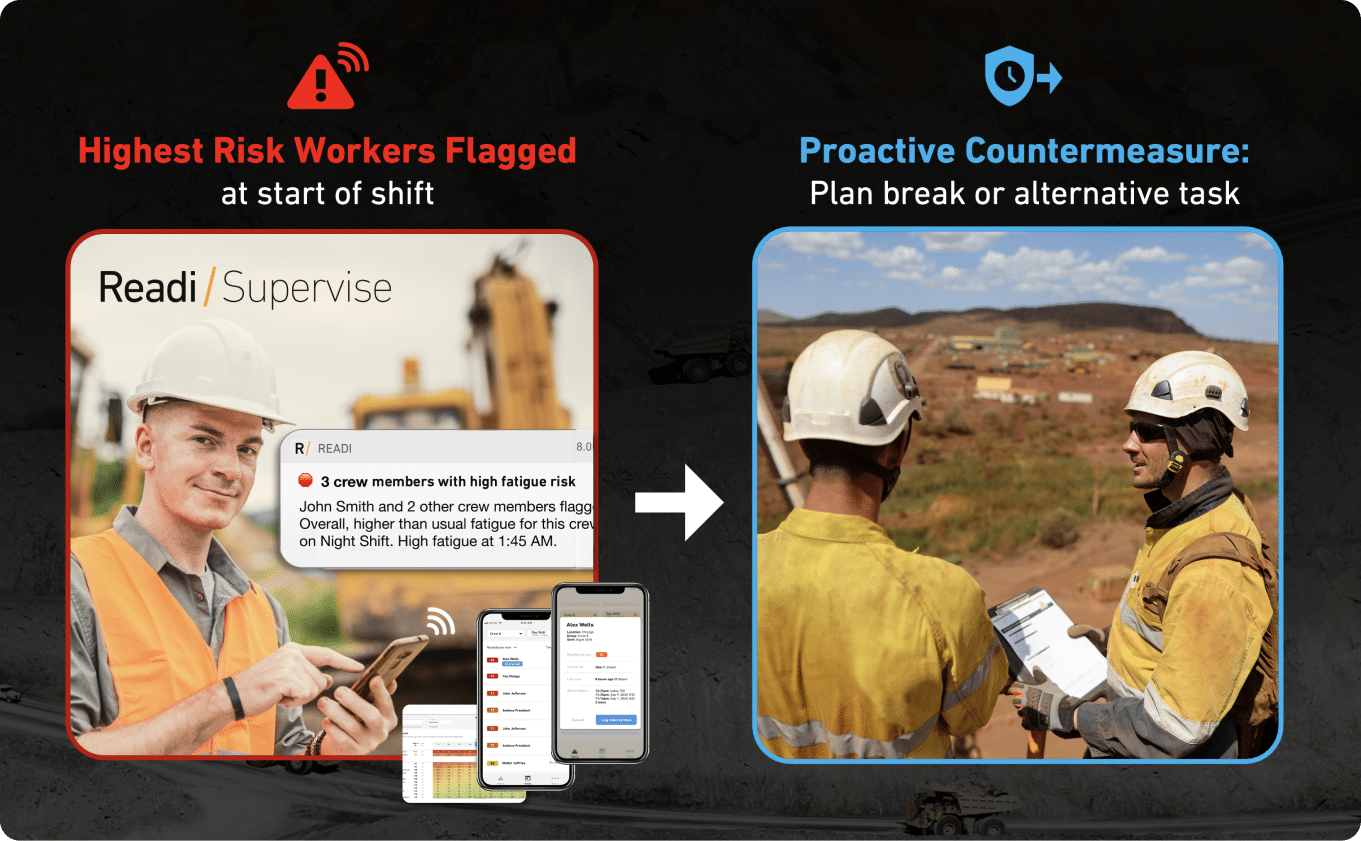
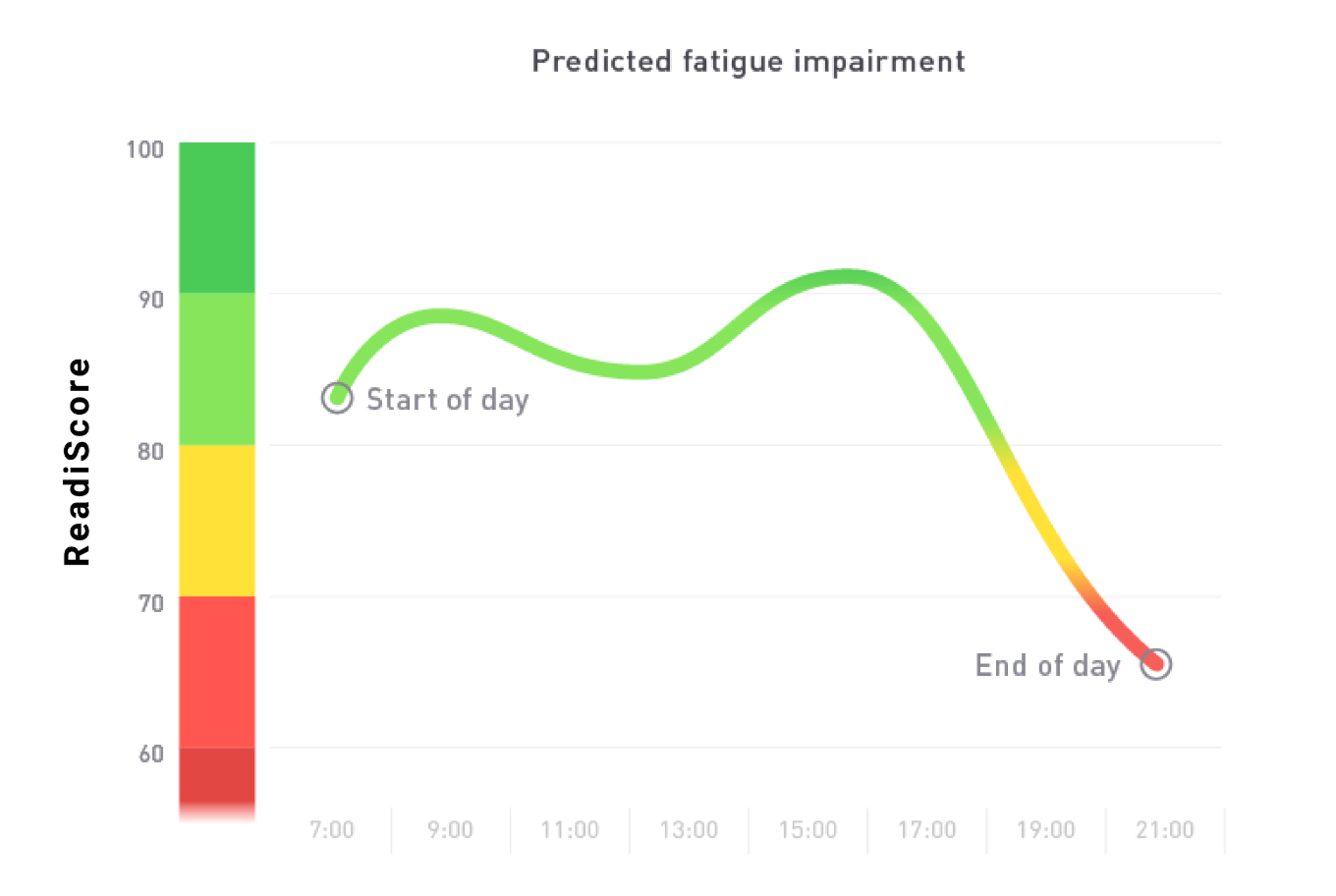
The gap in many programs is the space between collecting data and acting on it early enough to prevent harm. Reactive tools tell you what happened. Predictive approaches, such as fatigue risk modeling that forecasts impairment 18 hours in advance, give supervisors a chance to intervene before a driver reaches a high-risk window. This is where fleet safety programs mature from alert-chasing into proactive risk management in fleets, connecting real-time driver tracking with upstream decision-making that keeps drivers safer on the road.
Supervisor training works when each lead follows the same review path. A fixed process with clear checkpoints, response thresholds, and follow-up rules helps teams control safety risk without a flood of low-value alerts.
The aim of training is practical judgment. Supervisors should know how to sort safety events, pull the right evidence from existing systems, and choose a response that fits the pattern in front of them. In many fleets, the core tools already sit in place through ELD records, camera footage, GPS history, and scorecards. Weak results often trace back to uneven review habits rather than missing equipment.
Supervisors need more than one feed to judge driver behavior well. Vehicle data shows speed changes, brake force, idle time, and lane alerts; video shows traffic flow, cut-ins, weather, and driver attention; fatigue inputs add shift timing, night work, and short recovery windows. That mix gives driver coaching programs a stronger base and cuts the risk of poor decisions from partial information.
For fleets that run overnight, cover long distances, or face tight delivery windows, Readi adds a forward-looking layer that compliance logs cannot provide on their own. It gives supervisors on-demand visibility into fatigue risk and workforce performance, supports choices on resource allocation, task planning, worker training, and scheduling, and can surface elevated fatigue risk 18 hours in advance without wearables or added cab hardware.
Supervisors need a fixed scope before they review any scorecard, video clip, or exception report. Training should set that scope in plain terms so every supervisor across the fleet uses the same standards, the same escalation rules, and the same driver coaching programs.
That watch list should tie directly to business outcomes, not just incident prevention. Unsafe choices on the road raise fuel burn, accelerate tire and brake wear, increase service failures, and expand coaching workload; uneven review standards also damage driver trust because one supervisor may coach a pattern that another ignores.
Hours-of-service data cannot answer whether a driver shows the alertness needed for a specific run. Two drivers may log legal duty time and still carry very different risk because prior sleep, route timing, quick turnarounds, and overnight work shape real performance in ways compliance records do not show.
Supervisors should only spend time on behavior that meets three conditions:
That rule keeps risk management in fleets disciplined. It also helps supervisors separate noise from issues that deserve action, which improves consistency across fleet safety technology, real-time driver tracking, and driver performance metrics.
Before supervisor training starts, map the systems already in place and define the question each one can answer. Most fleets already have enough data for strong oversight; the weak point usually sits in how supervisors pull it together during a review.
Supervisors need a decision map, not a product walkthrough. One source should explain vehicle movement, another should show work pattern, another should show road context, and a fatigue model should add risk information that can shape task planning, staffing, training, and schedule choices.
A raw event count can point a supervisor in the wrong direction. A hard stop on a crowded delivery corridor may look like poor control in the scorecard, yet video may show a pedestrian crossing, GPS may show a dense stop pattern, and duty records may show a short recovery window after consecutive early starts.
Training should make one point clear: no single feed should drive a coaching conversation on its own. Fleets get better results when supervisors check movement data against route, timing, and fatigue exposure before they decide whether the issue calls for coaching, schedule change, closer follow-up, or no action at all.
Data use should stay tied to prevention. Drivers usually accept monitoring more readily when supervisors explain what triggers a review, who can access event footage or reports, how long records stay on file, and how the process supports fair treatment, safer assignments, and stronger risk management in fleets.
Supervisor training works best with a short scorecard and fixed review rules. Most fleets get more value from a few high-utility measures than from a long dashboard full of low-priority data.
Supervisors should not read safety data in isolation. Train them to place each event beside start time, prior duty period, schedule rotation, short turnarounds, and likely sleep opportunity between shifts.
This step helps separate random noise from schedule-linked risk. A driver with modest daytime results and repeated overnight control alerts may need a different response than a driver with the same raw count on a stable day route. Readi supports this review with on-demand visibility into fatigue risk and performance, which helps supervisors compare event patterns with work timing and make better decisions across multiple systems.
A weekly packet full of old events rarely changes behavior fast enough. Supervisors need threshold rules and trend views that show direction over time: lower risk, flat risk, or rising risk.
Good training uses plain thresholds such as event rate by week, event rate by route type, and repeat exceptions within the same time window. Trend lines often help more than a single composite score because they show whether coachable change took place after a discussion, a route change, or a schedule adjustment.
Supervisor training should cover the driving changes that often appear as alertness drops. In fleet operations, fatigue usually shows up through subtle decline before a major event: speed creep on low-traffic night runs, braking that comes later than usual, small steering corrections, and several low-severity events packed into one duty period.
A strong review habit compares today’s events with the last several shifts for the same driver. That approach helps supervisors separate random noise from a schedule-linked pattern, especially when issues show up after short turnarounds, repeated overnight dispatches, or uneven start times.
Supervisors need to view fatigue the same way they view weather, route congestion, or equipment faults: as a condition that changes risk. A legal logbook does not confirm readiness for safe driving, because two drivers can finish the same duty window with very different recovery, sleep quantity, and alertness at dispatch.
Structured education closes that gap. A driver fatigue management guide should explain sleep debt, circadian low points, and the effect of compressed recovery so supervisors can interpret driver behavior monitoring tools with better judgment and run more effective driver coaching programs.
Readi supports that workflow by giving supervisors on-demand visibility into workforce fatigue risk and performance. It also helps with task planning, resource allocation, worker training, and scheduling decisions, which makes telematics data and camera review more useful in daily risk management in fleets.
Supervisors need a ranked exception queue, not a live feed of every trip detail. The best fleet management solutions place the events with the greatest exposure at the top based on severity, repeat count, route type, and recent change in driver performance metrics.
That approach keeps attention on cases that need a decision now. It also keeps telematics for fleets and dash cam integration useful for risk management in fleets instead of turning the shift lead into a full-time alert reviewer.
Real-time driver tracking supports fast response when a driver stays active after a severe event or when several moderate events appear in the same run. A live view helps most when the supervisor needs to decide whether to continue the assignment, swap the route, or place the next load with another driver.
Not every alert deserves interruption. Low-speed stop-and-go events, weather-driven maneuvers, or a single defensive brake with clear video context can move to batch review so supervisors preserve time for cases with stronger risk signals.
Training should also define what stays out of escalation. Duplicate alerts, isolated events with no supporting pattern, and clips that show another road user caused the maneuver should not enter the same workflow as repeated speed drift, unstable lane control, or event clusters tied to short recovery windows. Readi supports that workflow with on-demand visibility into workforce fatigue risk and performance, which helps supervisors make better decisions on task planning, worker training, resource allocation, and scheduling.
A strong review starts with three facts: what took place, when and where it took place, and whether the same issue has shown up before. Supervisors should pull the trip record, the event clip, and the driver’s recent history before the conversation starts. That preparation keeps the discussion precise and reduces snap decisions.
Vehicle data and video serve separate roles. Speed traces, brake severity, lane alerts, idle time, and route timing show how the unit moved. Camera footage shows traffic flow, weather, cut-ins, phone use, and road conditions. The same hard brake can point to tailgating, a sudden merge from another vehicle, or a route that leaves no buffer at all.
Supervisors should use the data to ask better questions, not to build a case. A useful opener sounds like this: “This event took place near the end of the route after a delayed pickup. Walk me through what changed.” That approach gives the driver room to explain traffic, customer delays, dispatch pressure, weather, or poor rest without turning the meeting into an argument.
Coaching gets stronger when the response fits the likely cause. A driver with repeated late-route speed drift may need a route change or a different start time. A driver with scattered minor events after several short sleep windows may need closer schedule review, not a warning letter. Safety programs improve faster when supervisors address the source of the behavior instead of the symptom alone.
Predictive fatigue software can support that judgment before unsafe habits stack up. Readi gives supervisors on-demand visibility into fatigue risk and workforce performance, which helps with task plans, training decisions, and schedule changes. When elevated risk shows up 18 hours in advance, a supervisor has time to adjust dispatch, reduce load on a high-risk run, or place a follow-up check before the vehicle leaves the yard.
Trust shapes whether supervisors can use data well. Training should equip them to explain that monitoring supports safer dispatch decisions, more even-handed feedback, and a clearer record of what took place during a trip.
Supervisors need a short, direct explanation. They should tell drivers that GPS records movement, video shows road and cab context, and scorecards help managers compare driver performance metrics across similar routes and shifts.
That message should stay tied to practical outcomes drivers recognize right away. A documented review process can reduce guesswork after an incident, help supervisors use the same standard across the fleet, and support preventative safety measures before minor issues turn into claims, downtime, or public-facing events.
Privacy rules need a formal place in training, right alongside review steps and coaching standards. Supervisors should know exactly what they may access, what starts a review, and how event footage fits into daily operations.
Drivers usually accept real-time driver tracking and related fleet management solutions when the process stays visible, limited, and predictable. Problems start when one supervisor reviews every lane alert from one driver but overlooks the same type of issue from another.
Training should also show that the program serves drivers, not just the company. Objective records can confirm safe responses, show when traffic or weather shaped an event, and help separate conduct issues from route pressure, poor recovery time, or schedule strain.
A weekly scorecard helps supervisors set priorities for review, but the rating alone should never drive the whole conversation. A useful coaching review pairs the weekly numbers with route mix, departure window, and video evidence so the supervisor can tell the difference between a one-off event and a pattern that needs action.
Train supervisors to compare each driver from several angles instead of relying on one weekly total. A week-over-week view shows direction; a day-versus-night split shows schedule effect; route class versus event frequency shows where operating conditions raise exposure; a driver-to-fleet comparison shows whether the issue sits with one person or a wider dispatch problem.
A lower score should not trigger discipline by default. More sudden stops on a new city route, extra idling at crowded customer sites, or a rise in lane alerts after back-to-back short rest windows can point to fatigue buildup, route strain, or poor trip design. Supervisors need to learn how to spot those differences so weekly coaching stays fair and useful.
For fleets that already use cameras, ELD feeds, and other fleet management solutions, Readi adds another layer to the weekly review. It gives supervisors on-demand visibility into team fatigue risk and performance, supports decisions on task planning and resource allocation, and identifies elevated risk 18 hours in advance. That helps a supervisor decide whether the next conversation should focus on driving technique, route pressure, or the way the week was built.
Post-trip review has limited value when the next load leaves under the same conditions. Supervisors need to push safety data into route assignment, departure timing, and workload decisions so each event review leads to a practical change when risk starts to rise.
Repeat event clusters often point to schedule strain or route design issues. Several hard-brake alerts near the end of overnight runs, repeat speed exceptions after short reset periods, or lane warnings after uneven report times can signal compressed turnarounds, dense stop windows, or weak sleep opportunity before duty. Duty status rules set a legal floor; they do not confirm full alertness.
Readi gives supervisors on-demand visibility into fatigue risk and worker performance, which supports resource allocation, task planning, training decisions, and scheduling. In fleets that already rely on cameras, ELD data, and fit-for-duty checks, that added layer helps teams spot elevated fatigue exposure before another unsafe pattern shows up on the road.
A useful review should end with one operating decision: delay the trip, swap the route, change the driver, or keep the plan in place with closer follow-up. That step puts event data to work inside daily operations and helps supervisors act earlier, with more consistency, when schedule pressure starts to affect safe driving.
Supervisor training has value only when weekly safety results improve. The right review checks whether supervisors use event data, video evidence, and fatigue signals fast enough to cut repeat risk across the operation.
Use a short score set that links supervisor action to driver change:
A second test sits at the team level. Review whether supervisors in different terminals use the same thresholds, document the same types of cases, and hold driver conversations within the same time window. Consistent practice gives fleet management solutions more value because it keeps one team from overreacting while another misses a rising pattern.
In long-haul and overnight freight, trained supervisors should identify schedule pressure before it turns into another camera clip, customer delay, or preventable loss. Readi gives supervisors on-demand visibility into fatigue risk and performance, which supports decisions about resource allocation, task timing, worker training, and schedule design.
The strongest systems support risk management in fleets because they move a supervisor from observation to action. A useful signal should lead to a schedule change, a closer follow-up plan, or another preventative safety measure before the next trip puts the same driver in the same conditions again.
The strongest setup uses four layers of fleet safety technology: a vehicle data feed, map-based route history, video evidence, and a fatigue forecast. In practice, that means GPS for route replay and geofencing, a telematics unit that pulls engine and motion data, road-facing and cab-facing cameras for event review, and a platform that sorts risk by severity so supervisors do not waste time inside three separate systems.
For fleets that run overnight freight or irregular dispatch patterns, a fatigue platform adds a missing layer that cameras and ELD records do not provide. Readi gives supervisors on-demand visibility into workforce fatigue risk and supports decisions about task planning, resource allocation, worker training, and scheduling.
Start with a short group of measures that show exposure, repeat risk, and follow-through:
A small scorecard works better than a crowded one. Supervisors need fast pattern recognition, not a report that takes half an hour to decode.
Driver choices shape operating cost long before a crash report appears. Abrupt throttle use, unstable stopping, extended idling, and poor route discipline raise fuel spend, increase brake and tire wear, and create more unplanned shop time. They also widen legal exposure after an incident because event history can show a pattern that the fleet failed to address.
Performance drift also affects service. A route with late arrivals, extra stops, and recurring vehicle stress often reflects driver risk, dispatch pressure, or both.
Set alert rules by tier. Reserve instant notifications for severe cases such as major speed violations, lane departure, or signs of drowsiness; group minor exceptions into a daily or weekly review queue. That structure protects supervisor attention and cuts down on noise that leads to inconsistent coaching.
Dash cams work best when paired with a review standard. Supervisors should know which events require footage, which events need only a trend note, and which events can close with no action after context review. Fleets that define those rules early usually get better driver acceptance and cleaner manager workflows.
Duty logs show legal availability, not human readiness. A driver can meet hours limits and still carry elevated risk after split sleep, back-to-back night work, or a short recovery window between dispatches. Those conditions can weaken lane control, judgement, and hazard response before a major safety event appears on video.
Predictive fatigue management helps supervisors act earlier. Readi can identify fatigue risk 18 hours in advance and gives operations teams a practical way to adjust assignments, review task plans, and decide where closer follow-up belongs.
Fleets that treat driver behavior monitoring as a closed loop between data review, supervisor action, and scheduling get more from the tools they already own. The programs that reduce risk fastest are the ones where each event review ends with a specific operating decision, whether that means adjusting a route, changing a start time, or placing closer follow-up on a driver showing repeated patterns.
Adding a predictive fatigue layer to that loop gives supervisors earlier visibility into risk that cameras and telematics cannot detect on their own. Readi forecasts fatigue risk up to 18 hours in advance, requires no wearables or hardware, and has been proven to reduce fatigue-linked in-cab telematics events by 42% in a large U.S. logistics pilot.
Book a demo to explore how Fatigue Science's predictive fatigue management software can improve safety and productivity.
The five pillars of fleet management are vehicle acquisition and disposal, maintenance and repair, fuel management, driver management and safety, and compliance with regulations. These pillars work together to control operating costs, reduce downtime, and maintain safe operations across the fleet.
Fleet management KPIs include events per 1,000 miles, fuel consumption per mile, maintenance cost per vehicle, vehicle utilization rate, and on-time delivery percentage. Leading fleets also track video-confirmed safety events, coaching completion rate, and idle time per shift to measure both risk exposure and operational efficiency.
A driver monitoring system combines telematics devices, dash cameras, GPS tracking, and ELD records to track driving behaviors such as speeding, harsh braking, lane departure, and distracted driving. These systems capture event data and video evidence that supervisors use to identify unsafe patterns and deliver targeted coaching.
Driver attention monitoring uses in-cab cameras and sensors to detect signs of reduced alertness such as gaze direction, head position, eye closure, and yawning. The system triggers alerts when it identifies distraction or drowsiness, giving supervisors real-time visibility into attention lapses that raise crash risk.