

ELD driver safety monitoring combines accurate records with fair, consistent decisions about compliance, fatigue concerns, and coaching.
See how Readi connects ELD data with personalized fatigue prediction
Key Takeaways
- Explain what each monitoring system can show.
- Set privacy, access, correction, and escalation rules.
- Train supervisors to review context and communicate fairly.
- Readi adds a planning signal, not a diagnosis.
Set a clear purpose for ELD monitoring
Explain which records the ELD creates, who reviews them, and how the organization uses them. ELDs support hours-of-service compliance and create duty records; they do not measure sleep quality or prove that someone is alert. For U.S. fleets, review the applicable FMCSA rules. Canadian federally regulated carriers can review Transport Canada’s ELD requirements.
Train by role and task
Drivers need practice signing in, selecting a vehicle, changing duty status, certifying records, adding annotations, and responding to inspections or device malfunctions. Dispatchers need to understand how to review exceptions without creating pressure to make inaccurate entries. Supervisors need a consistent process for questions, corrections, and coaching.
Use real situations from the fleet, such as a vehicle change, delayed delivery, or mistaken duty-status entry. Keep the first session focused on common tasks, then provide short refreshers for less frequent cases. A practical driver fatigue management program can connect ELD use with safe scheduling and fatigue reporting.
Connect compliance with fatigue awareness
Teach that a compliant log does not confirm that a driver is rested. Discuss how night work, changing start times, short recovery opportunities, and demanding schedules can affect alertness. Explain how drivers can report fatigue and what supervisors are expected to do.
Training should not promise that ELD data can diagnose fatigue. Show how duty records can help teams identify schedules for review. A fatigue risk management system may combine schedule patterns with sleep science and supervisor actions. See how Readi integrates with ELDs and learn more about predictive fatigue technology.
Make coaching specific and respectful
When an error or pattern appears, review the record with the driver, ask what happened, and separate a training need from a process or dispatch issue. Focus on one behavior and a clear next step. Explain how to request a correction and how concerns are documented. Transparent rules make monitoring easier to understand and reduce the sense that every exception is disciplinary.
Check whether training works
Measure completion, common error rates, correction time, repeated issues, and driver understanding. Ask drivers and dispatchers where the workflow remains confusing. Update examples and job aids when regulations or device procedures change. Consider ReadiScore basics if your team also trains people on fatigue indicators beyond ELD compliance.
Include Readi in practical monitoring training
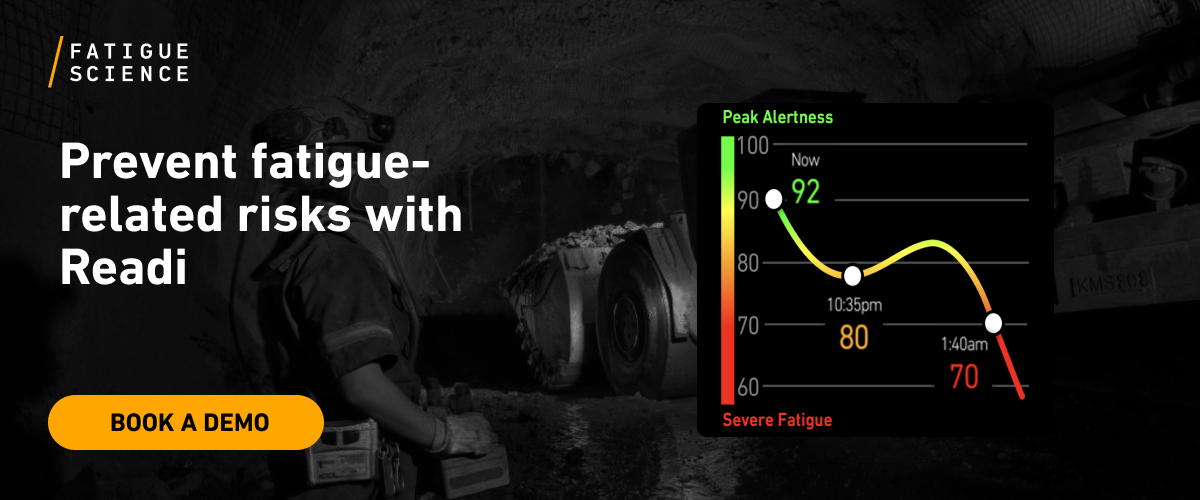
If your organization uses Readi by Fatigue Science, training should show supervisors how its fatigue forecast fits into the monitoring workflow. Explain what the forecast represents, how to review an upcoming shift, who can access the information, and how to raise a concern respectfully. Make clear that Readi is a planning aid: it does not diagnose a driver, prove that fatigue caused an event, or replace established procedures.
Use realistic scenarios for dispatch changes, night work, and elevated risk during a shift. Ask learners to identify what additional context they need, who they would contact, and how they would document a decision. Reinforce the process through coaching and periodic refreshers. The EHS buyer’s guide to Readi outlines how fatigue risk management software can fit into a broader program.
Turn training into consistent field practice
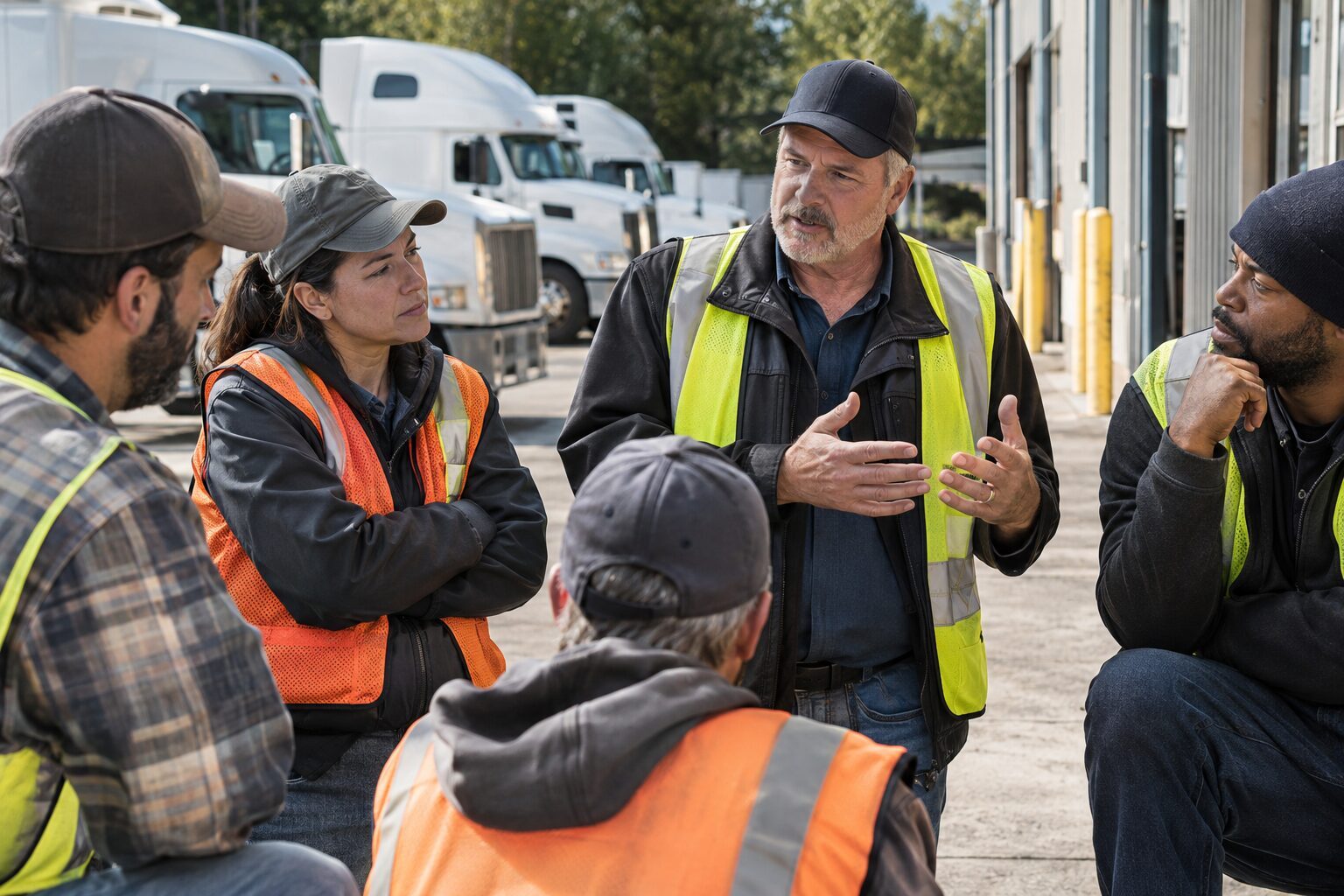
Training works best when it reflects the actual monitoring tools and decisions employees face. Use short scenarios based on dispatch changes, a late delivery, an overnight route, and a driver who reports feeling tired. Have learners practice the sequence: notice the signal, gather context, speak privately, consider safe options, and document the outcome. Teach what each system can and cannot tell them, including the difference between recorded duty time and a measure of alertness. Give supervisors a quick reference for escalation contacts and approved operational choices. Ask drivers what would make reporting easier and explain how the information will be used. Follow up after training by checking whether the process is understood in real situations, not just whether a course was completed. Refresh the material when routes, systems, or policies change.
ELD driver safety monitoring: monitoring that supports safe decisions
ELD driver safety monitoring: practical steps and decision criteria
For ELD driver safety monitoring, use the steps and review criteria in this guide to connect recorded work patterns, operational context, and fatigue prevention. Readi by Fatigue Science contributes a personalized forecast for the upcoming shift where deployed, supporting a contextual review by authorized supervisors.
Define what monitoring can and cannot tell you
Monitoring systems produce different kinds of information. An ELD records duty and driving information; telematics and cameras may capture vehicle or road events; a fatigue management system may add a forward-looking risk signal. Explain these distinctions to drivers and supervisors before rollout. Monitoring should support a defined safety purpose, follow applicable privacy and labor requirements, and use the least information needed for that purpose. Clarify who can access records, how long information is retained, and how employees can question or correct an error.
Set consistent thresholds for review and create a path for context before action. A single exception should not automatically become a disciplinary conclusion. Use coaching to understand whether dispatch, route design, training, or a system issue contributed. For U.S. fleets, consult FMCSA HOS rules; for Canadian regulated operations, review Transport Canada ELD guidance.
Copy-and-use monitoring rollout checklist
- Write the safety purpose and explain it to affected teams.
- Map each data source to the question it can answer.
- Set role-based access, retention, and correction procedures.
- Train supervisors to gather context and speak respectfully.
- Give drivers a clear route to report fatigue or raise concerns.
- Review false alarms, missed context, and workflow burden after launch.
Publish a short internal guide with a contact for questions. Revisit the guide when technology, policy, or applicable requirements change.
Example: a monitoring exception
When a record or event requires attention, the supervisor should check data quality, speak with the relevant people, and identify a response consistent with policy. Readi by Fatigue Science can add a personalized fatigue forecast for an upcoming shift, giving teams another source to consider while planning. Explain that Readi supports earlier review and does not label a driver or replace the company's fitness-for-duty procedures.
Sources and further reading
Written by Fatigue Science, a provider of predictive fatigue risk management technology for fleet and industrial teams. Last updated: November 24, 2026.
ELD driver safety monitoring: practical review and action
ELD driver safety monitoring in day-to-day fleet operations
Begin by writing down the question the team needs to answer. monitoring training should help identify a repeatable condition, not label an individual. Use a consistent review period and group records by comparable route, start time, terminal, and work sequence. Confirm that data are complete and that timestamps align before drawing comparisons. Ask drivers and dispatchers what shaped the work: a record discrepancy or concern during an overnight assignment. Record this context with the evidence so another reviewer can understand how the team reached its decision.
A practical process distinguishes what the record shows from what it cannot show. An ELD documents duty status and driving history; it does not confirm sleep quality, alertness, or causation. Readi by Fatigue Science adds a personalized fatigue forecast across the upcoming shift where deployed. Together, ELD data and Readi can support a more complete planning discussion, with human review and company policy guiding each action. Keep access limited to authorized roles, explain how information is used, and give drivers a way to correct an inaccurate record or provide context.
| Review element | What to check | Possible next step |
|---|---|---|
| Work pattern | what each system records, who can access it, and how exceptions are handled | Confirm whether the pattern repeats across comparable shifts. |
| Operating context | a record discrepancy or concern during an overnight assignment | Discuss with the driver and operations before drawing a conclusion. |
| Forward planning | Upcoming schedule, forecast timing, route demands, and available response options. | Use Readi by Fatigue Science’s personalized fatigue forecast for an upcoming shift alongside ELD history, route conditions, telematics, and driver input. Readi can help authorized supervisors focus a planning conversation on the timing of potential fatigue exposure. It is a decision-support signal, not a diagnosis, a guarantee of alertness, or a replacement for compliance checks and safe driving judgment. |
Copy-and-use review checklist
- Define: write the question, period, and operating group being reviewed.
- Verify: confirm the data are complete and comparable.
- Contextualize: check route, schedule, delays, and driver input.
- Decide: identify an owner and a policy-approved action.
- Document: record the evidence, decision, and follow-up date.
- Learn: review whether the pattern recurs and whether the control helped.
Use the checklist for prevention and continuous improvement, not automatic discipline. If the same condition affects several drivers, examine dispatch practices, route assumptions, staffing, or customer requirements. If the issue is isolated, confirm that the record is accurate and provide coaching or support suited to the circumstances. Use Readi by Fatigue Science’s personalized fatigue forecast for an upcoming shift alongside ELD history, route conditions, telematics, and driver input. Readi can help authorized supervisors focus a planning conversation on the timing of potential fatigue exposure. It is a decision-support signal, not a diagnosis, a guarantee of alertness, or a replacement for compliance checks and safe driving judgment.
Example: Train with realistic scenarios and review proficiency after the course.
For example, if a review surfaces a record discrepancy or concern during an overnight assignment, compare similar work periods, ask the people involved what changed, and identify whether a scheduling or process adjustment is possible. Set a time to check whether the new approach was followed and whether the pattern returned. Readi can help teams consider personalized fatigue risk timing before a shift, while ELD records describe prior duty patterns. Use the two sources as complementary context; neither replaces the driver’s report, applicable HOS rules, or a supervisor’s judgment.
Frequently asked questions
What should ELD training cover?
Daily device tasks, duty-status records, annotations, certification, inspection transfer, malfunction steps, and where to get help.
Can ELD training prevent fatigue by itself?
No. It can support accurate records and awareness, but prevention also depends on scheduling, sleep opportunity, supervision, and practical controls.
When should teams receive refreshers?
Provide them during onboarding and when workflows or requirements change. Use recurring errors and questions to identify when a refresher is needed.